


I have always had a love-hate relationship with photography, one day wanting to be a photographer the next deciding not to be.
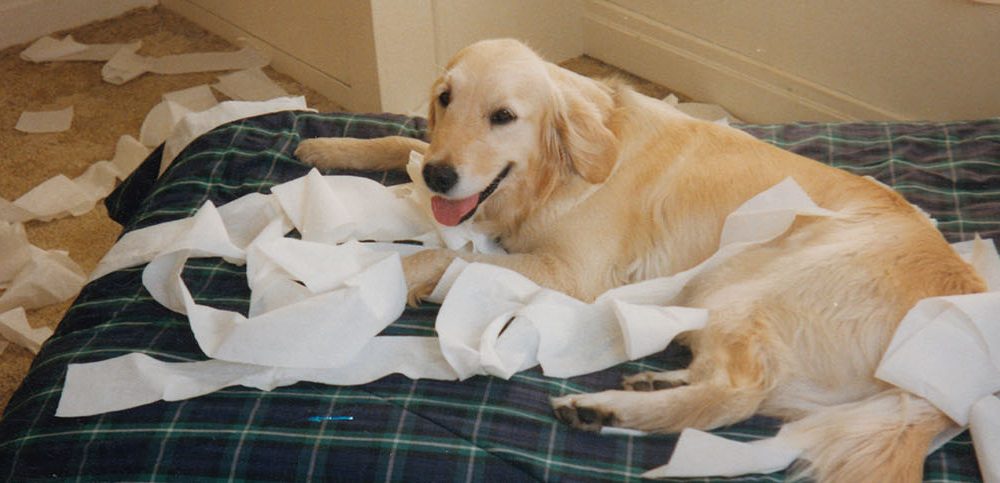
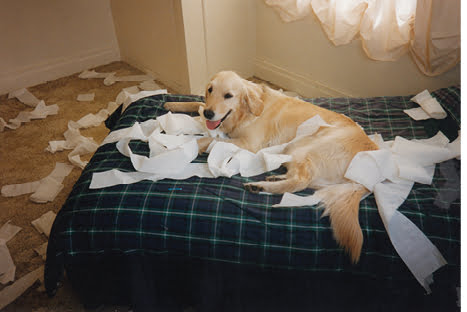
My first staged photography shoot was when I was 13. I moved all the furniture out of my bedroom, the bed into the middle of the room, tore up several rolls of toilet paper and placed them around the room. I then put Alice, my golden retriever in the middle of the bed and ‘made’ her act as though she was the ‘innocent’ party. I took several photos of this and didn’t do much with them afterwards. It wasn’t until about 17 years later when I was doing a diploma in painting that I came across the photos again when my passion for creative photography was reignited. During this time, I started to look at my work differently than I had in the past.
Aside from dabbling in photography as a child, taking snaps at parties and when travelling, all my photography had been tied in with my design business. Born out of frustration at clients bringing in bad or low-quality photos, I started to take photos for them, and this quickly became a large part of the service that was being offered. This sent me down the path where my photography had a dollar value related to the amount of time being spent taking photos.
I decided to do the diploma in painting because there were many things going on in my life at the time, including my father’s battle with cancer. The diploma was almost an escape, an island away from the realities of life. During that time, I decided that I wanted to be a photographer again and make it my full-time job. The plan was to emerge from the diploma having traded my design business for a full-time photography business. Owing to my existing network and existing clients was reasonably easy for me to promote my photography services and get new work and new clients. However, I very quickly tired of this for two reasons. The first reason being that a lot of the commercial work that I was doing was just that, purely commercial. Work done to a brief, prescribed by the client and/or their agencies. The artful approach I had come to realise was innate in me during the diploma was very destroyed by the soulless requirements of commercial work. The second reason is that also hate being told what to do! I promptly stopped wanting to be a photographer and went back to design.
Fast forward to 2018, when I closed my design business and spent some time figuring out who I am. During this time, I reflected on my personal photography work which had mainly taken place while travelling for work in different cities around the world. The first of this work being taken in 2004 when I purchased a new camera to go to San Francisco with a client on a market research trip. What struck me was the photos I took in 2004 were almost identical in look and feel to my most recent photos. Over the years I’ve had people tell me that my photography is good; however, I didn’t see it the same way that they were.
I started again with my 30,000 photo catalogue and went through the process of selecting photos that I thought represented me. In almost every case, I selected the same photos and treated in the same way I had at the time I took them. This reaffirmed that what I was doing was right for me and was the direction that I should continue to go. I decided the best way to represent who I am as a photographer would be to make a photo book, an expression of who I am and what my work stands for. I have almost completed a photo book, Fifteen Years of Photography Before I was a Photographer, that represents my first 15 years of photography when I was absent-mindedly daydreaming of becoming something more—the time before I decided that I actually am a photographer.


On My Photography
I won’t say too much about my work because I hope it does speak for itself; however, there are a few notes.
My primary body of work prior to 2019 consists of photographs I’ve taken while travelling and include urbanscapes in cities worldwide, photos of people – mainly from a distant, observational view and more recently a study into the human form. The central theme is black and white, as I see the world in black and white. When I see a scene, I see the shadows, the darks and the lights. They are the things that catch my eye first, and then, I see
the colour.
I try to keep my out of studio work quite simple. It really is as simple as my photographs are my observations of the world around me. What I want people to see in my photographs is what I saw at the time – what made me want to take the photo.
I also want people to see me in my work. There are many photographs taken of the same places and things however no one else was standing where I was at the time that I took my photos making me the only person in the world to see that moment in time. One thing I aim for in my work is a sense of timelessness, and I hope that in most photos it is hard to place the decade in which the photo was taken except for those damned cars that get in the way. An excellent example of this is a photo series where two ladies wait for a train at the Britomart Train Station, Auckland in 2010. This photo feels like it could have been from 1950s Italy or 1930s Russia. I have even had people tell me it feels like it’s modern-day London with riot police in the background. I love this because it evokes many different feelings and that’s the main thing I want to get in my work. I don’t want people to see; I want them to feel my photos.
On Perfection
I used to get tied up in the technical and tried to get everything perfect. But it wasn’t until I studied for my art degree that I realised that getting the ‘perfect’ photo didn’t matter.
Often the serendipitous nature of my work doesn’t allow the time to get things’ just right’. I know it sounds like an excuse to be lazy and maybe it is, but even if there are some extra dark patches or blown out spots, all that matters to me is that the mood and emotion still come across in the shot.