The Photographs of Brad MacDonald: Conversations and Spaces
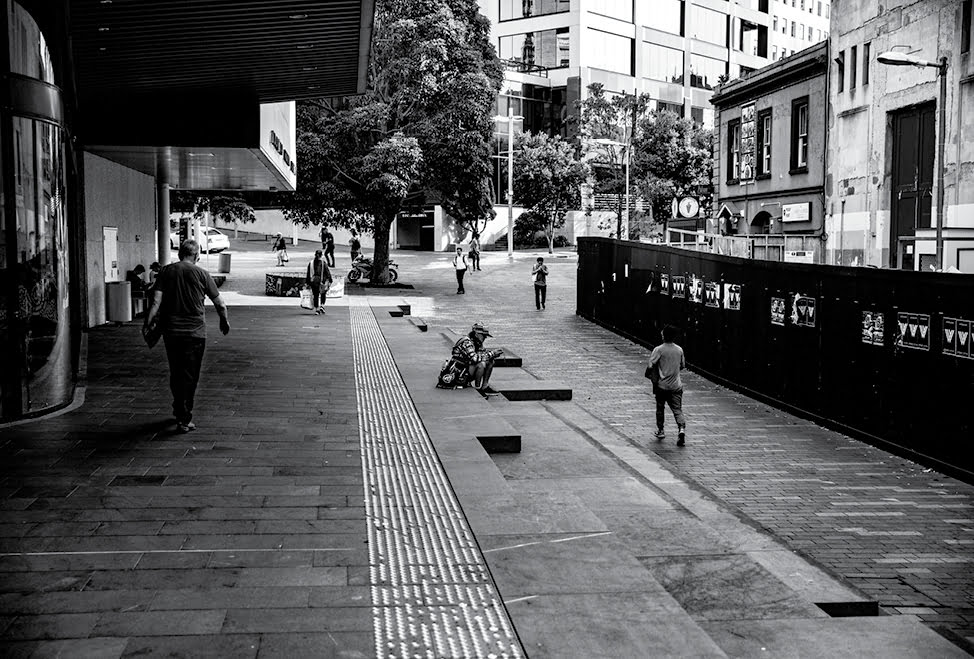
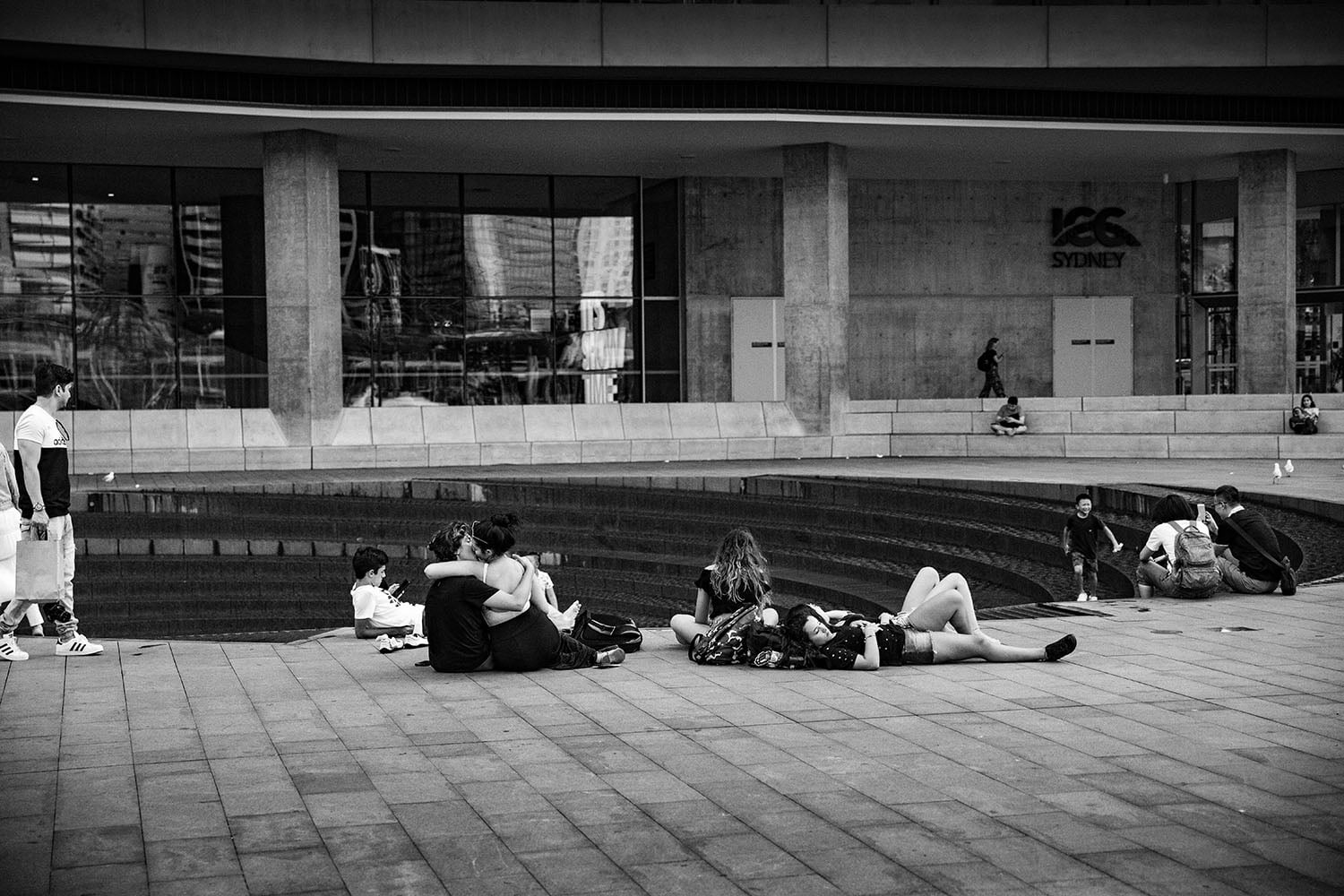
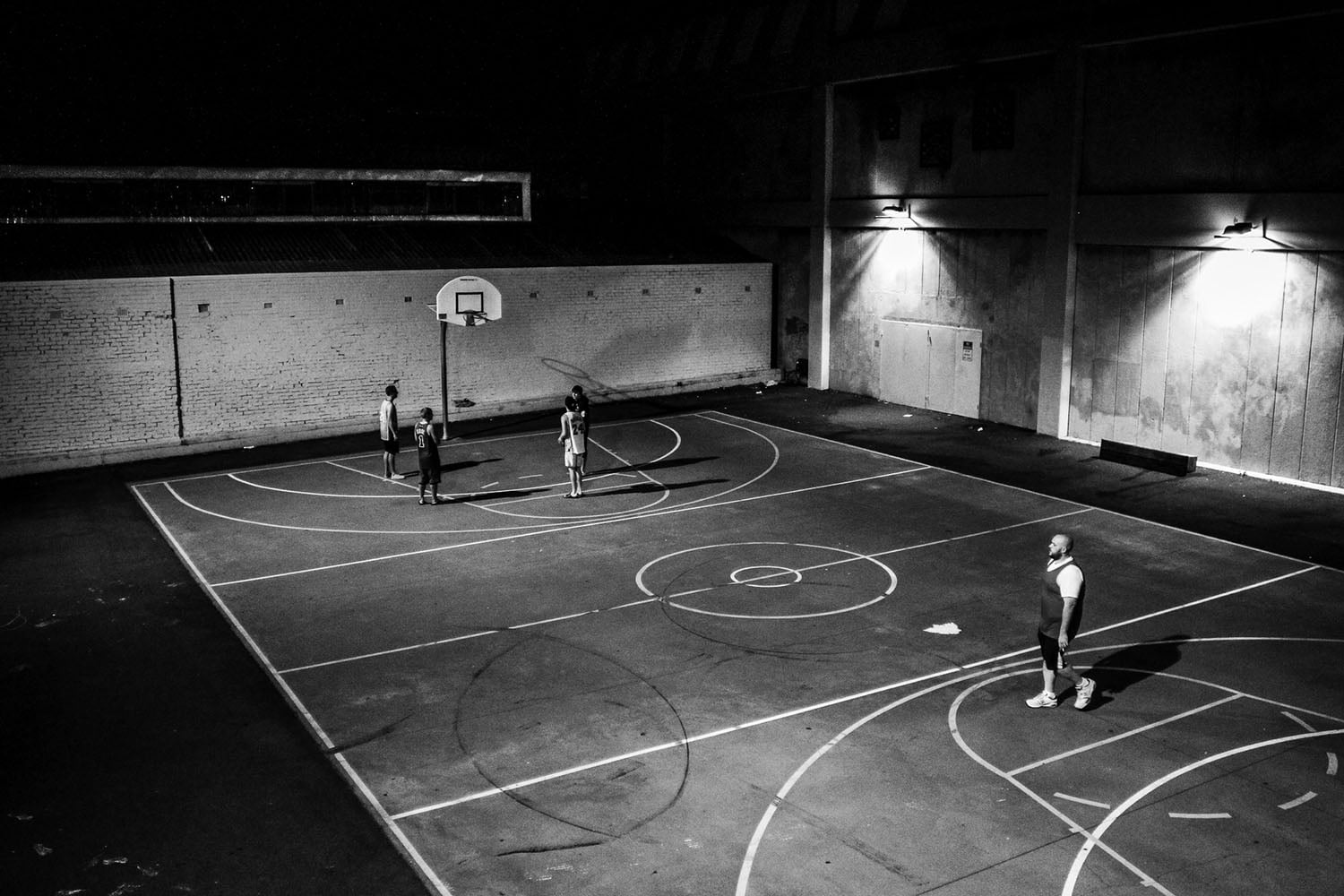
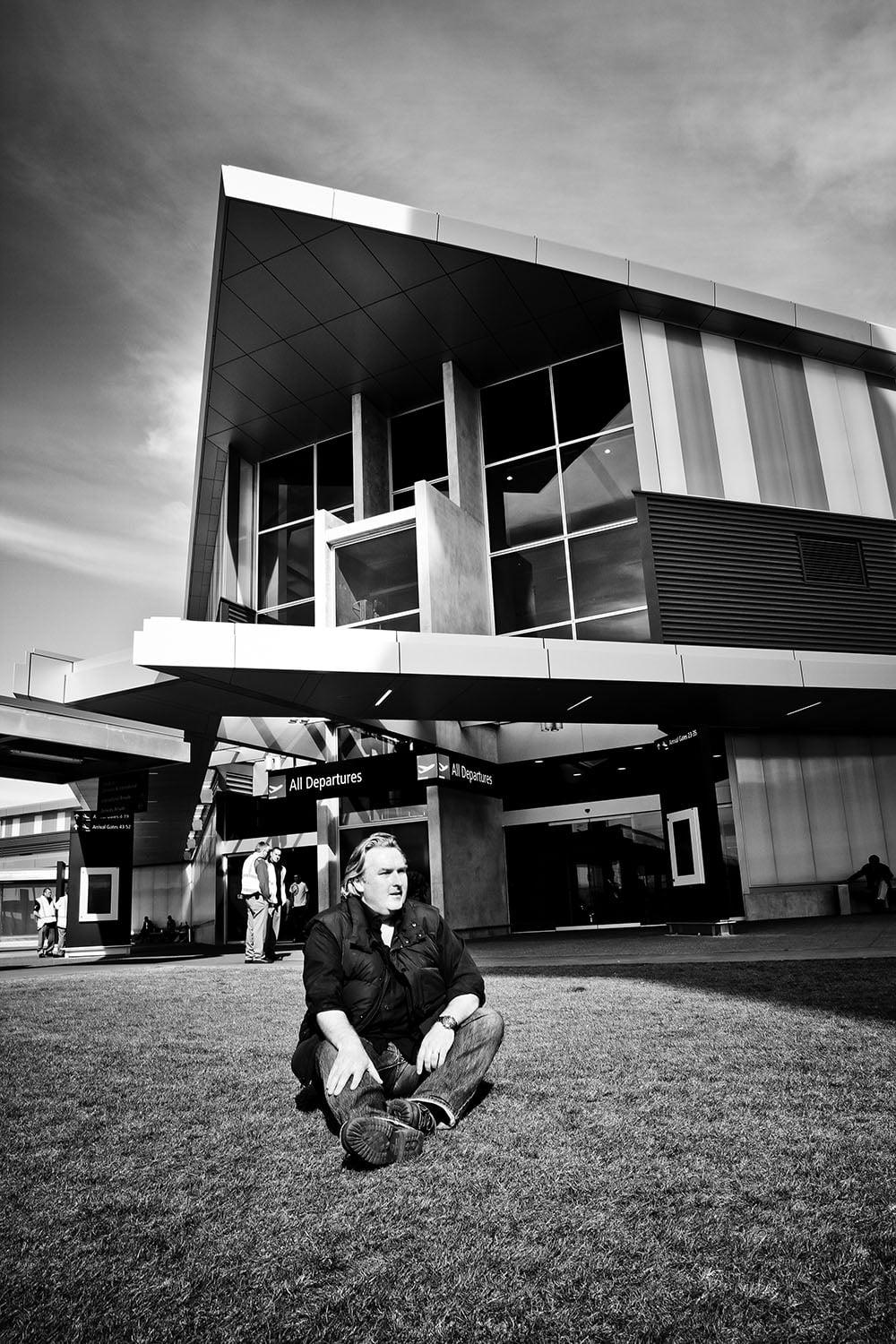
Brad MacDonald photographs people and the spaces that they occupy and inhabit, both natural and man-made. In MacDonald’s work a crowd or community of people embody many individuals yet although they are sharing the same spaces, their intentions, emotions and experiences differ.
MacDonald offers us the small detail of his subjects and the environments that they occupy, but in a way that reveals an awareness of the many conversations and silences between individuals, contributing to a larger philosophical dialogue about the nature of human behaviour and the curious realities of our experiences of the world.
MacDonald is not alone. Discussing Wellington-based photographer Peter Black’s, (1948 – ) imagery of individuals in public spaces, curator and writer Lara Strongman commented that his achievements encompassed his representation of not only the real life of the world, but also its ‘secret life as an image.’
Yet, MacDonald’s practice is distinct from Black’s in his observation and response to the spaces that people occupy, whether the natural world or a busy metropolis. The skeletal structures of buildings, stairways, harbours or train stations are the subjects of photographs that possess a tangible presence and animation, romantic in their spirit and iconography. The lineage for MacDonald’s photographs can be traced back to Eric Lee-Johnson (1908 -1993), an expatriate artist, living in London in the 1930s, exposed to the influence of modernism and surrealism. Lee-Johnson was introduced to new developments in photography and film which influenced both his work as a designer and his reassessment of the value of photography as a serious form of art. His photographs represent his response to London’s streets and to rural Northland and the city of Auckland as abstract and surreal studies in form and tone.
In McDonald’s photographs, tram lines assume the persona of a spider-web spanning and encompassing a city, branches and limbs from trees reveal their skeletal form and forces, and in spite of the absence of a single vehicle, motorways sway and pulse with life. MacDonald’s photographs are host to a rich iconography, one that is undeniably transformative.
Dr. Warren Feeney